Case Studies
A few examples of how I have approached social media strategy, content performance, and audience growth in a regulated B2B healthcare environment.
My work usually starts with a simple question: what is actually working, what is not, and what can we change without overcomplicating it?
Social Video Strategy: Our Hands to Yours
Focus: Video performance, social-first editing, content strategy
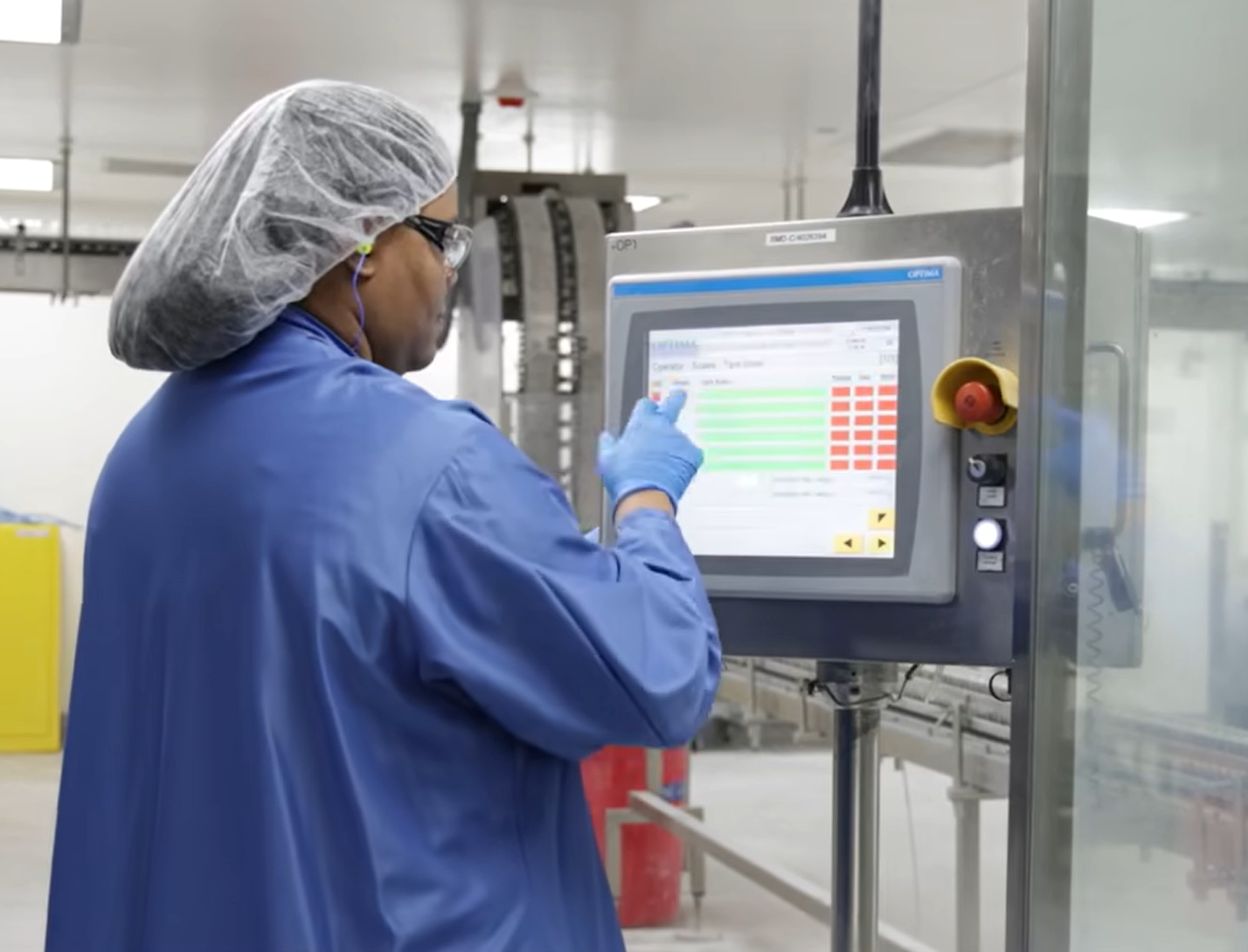
From Our Hands to Yours was a two-minute brand video built around the people who manufacture blood culture bottles and the responsibility that carries from manufacturing to the laboratory.
The video performed well compared with our other video content. It generated 2,510 LinkedIn video views, 4,210 post impressions, and an average watch time of 18.14 seconds.
The problem showed up when I compared it with the rest of our social content.
Our strongest LinkedIn post during the same period generated 23,940 impressions, and several non-video posts exceeded 10,000. Even one of our better-performing videos was still competing at a much lower level than the strongest content on the page.
What I looked at
I reviewed a full year of LinkedIn video performance and compared video results against the broader content mix rather than only comparing videos with other videos.
I also tested whether the existing Our Hands to Yours asset could be adapted more intentionally for social by:
Reframing the video from horizontal to vertical
Adding captions
Testing a shorter runtime
Adjusting the edit for faster social consumption
The vertical format worked well, but shortening an already finished two-minute video created problems with voiceover timing, music, pacing, and the emotional structure of the original edit.
That ended up being the most useful finding.
Recommendation
Instead of creating one master video and adapting it for every platform afterward, I recommended planning separate outputs from the beginning.
The long-form version can preserve the full story, pacing, cinematography, and emotional build.
The social version can be built around a faster opening, captions, mobile-first framing, and a shorter runtime designed for how people actually consume content in-feed.
The goal was not to make every video shorter. It was to involve Social early enough that we were not trying to rebuild finished creative after production was already complete.
My role: Performance analysis, social strategy, competitive research, editing experiment, and strategic recommendation.
Behavioral Content Optimization in B2B Healthcare

Focus: Message framing, audience behavior, organic LinkedIn performance
Nov. 2025 to Jan. 2026
I wanted to understand whether the way we framed a post could make a meaningful difference even when the topic and audience stayed largely the same.
I compared more traditional product-forward posts with content that started with a clinical problem, audience insight, or educational takeaway before introducing the product or resource.
Rather than treating this as a one-off creative preference, I used structured content comparisons across multiple posts to look for a consistent pattern.
What happened
Across the comparisons, insight-first content consistently performed better.
Organic reach increased approximately 2x to 3x
Click volume increased approximately 2x to 4x
Reposts increased approximately 2x
Engagement remained strong as distribution increased
The biggest takeaway was that message framing alone could significantly change how far the content traveled.
We did not need to change the audience, add paid media, or completely rebuild the creative. Leading with something useful to the audience first was often enough to improve performance.
How I used it
The results supported a broader shift toward content that starts with the clinical reality, question, or audience need before asking someone to care about a product.
That approach has since influenced how I evaluate and develop organic social content.
My role: Content strategy, copy development, performance analysis, testing, and recommendations.
Organic Clinical Audience Growth
Focus: Audience growth, editorial planning, organic social strategy
Apr. 2025 to Oct. 2025
One of my early priorities was growing the U.S. clinical audience without relying on paid promotion.
The approach was not particularly complicated. I focused on publishing consistently, improving the mix of content on the page, and making sure we were regularly covering topics that mattered to the clinical audiences we wanted to reach.
The approach
I focused on:
Maintaining a more consistent publishing cadence
Expanding the range of clinical and educational content
Balancing product content with broader industry and audience topics
Paying attention to what was earning shares, clicks, and repeat engagement
Adjusting future content based on performance rather than sticking rigidly to one format
Results
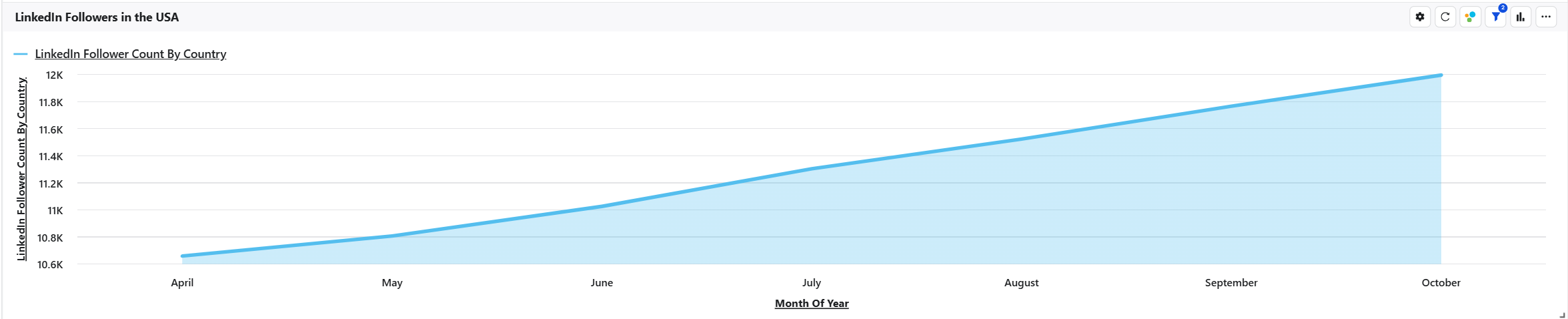
From April through October 2025, the U.S. follower base grew from roughly 9,000 to 12,000.
That represented approximately 33% organic audience growth without paid media.
For me, the bigger result was not simply adding followers. It was showing that a specialized B2B healthcare audience could grow steadily through relevance, consistency, and a broader approach to content.
My role: Social strategy, editorial planning, content development, publishing, analytics, and ongoing optimization.